Stoves in Selby
Compare wood burning stove and multifuel stove options for Selby homes.
Wood burning stoves in Selby Over 35yrs trusted service
Carl Finnell · Case study · Selby
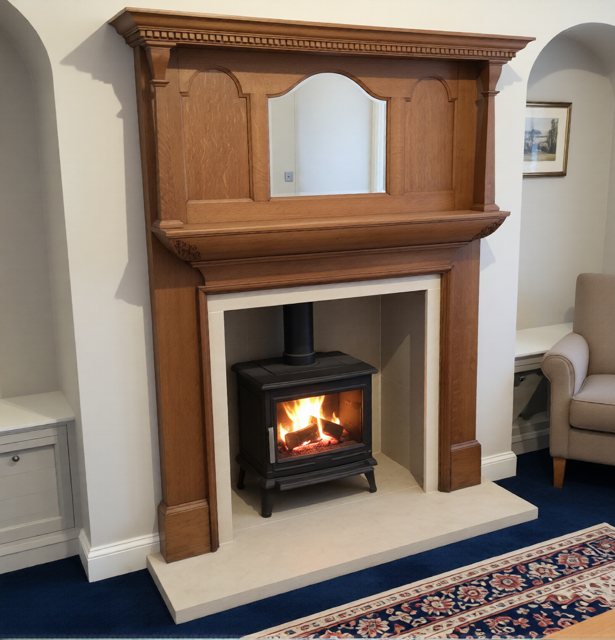
In Selby we carefully removed a solid oak Edwardian overmantel surround for professional restoration, then refitted it around a new ACR Rowandale 5kW multifuel stove and a natural Yorkshire sandstone chamber.
The job
The surround itself is a traditional Edwardian combination piece with a built-in arched overmantel mirror, crafted from solid oak with natural grain variation and a medium-waxed finish, dentil moulding to the cornice and a mantel shelf sitting above recessed decorative corbels. The work was to carefully remove it so it could be professionally restored by a French polisher, then reinstall it as the centrepiece of the room.
We formed a new opening measuring roughly 1100mm wide by 1100mm high, with a reinforced concrete lintel for structural support above. The new chamber was lined with natural Yorkshire sandstone and matching sandstone border slips around the opening, which frame the stove and protect the restored timber surround from the heat of the multifuel stove and vitreous flue pipe.
The stove and the finish
A matching Yorkshire sandstone hearth was installed within the chamber and extending in front of the chimney breast. Once the surround returned from restoration it was carefully refitted around the new chamber, the walls were made good, and everything was cleaned and neatly caulked for a flawless finish. We fitted a British-manufactured twin-wall stainless steel flexible flue liner with an anti-downdraught cowl to keep birds, rain and wind out of the flue.
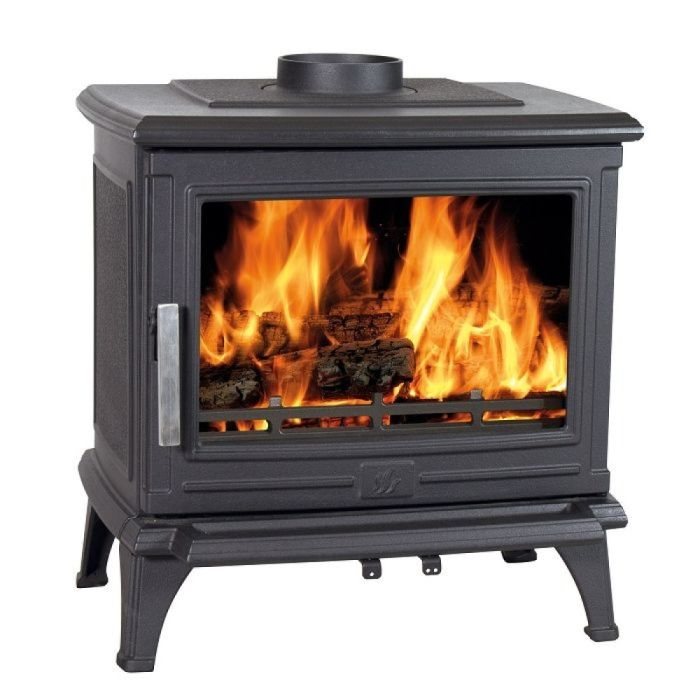
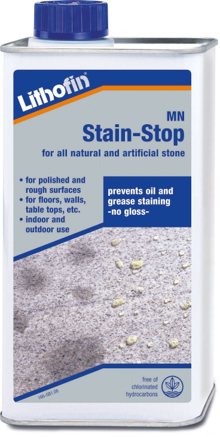
To complete the project we installed an ACR Rowandale 5kW multifuel stove with a traditional cast iron body, along with a carbon monoxide alarm, then fully commissioned, tested and demonstrated it to the customer. Finally the sandstone hearth and chamber were treated with Lithofin Stainstop, a premium impregnating sealer that protects the natural stone against everyday staining while keeping its natural appearance and making future cleaning easier.

The thinking
The best part of this Selby fireplace was already in the room: the solid oak Edwardian overmantel. The right decision was not to replace it, but to remove it carefully, let it be professionally restored, then rebuild the fireplace around it. That keeps the room history intact while giving the owner a lined flue, safer chamber and controllable modern stove.
The ACR Rowandale is a natural choice here because it has a traditional cast iron body and a broad flame picture. It looks settled under an overmantel rather than too modern for it, and the 5kW nominal output sits in the everyday living-room class once the survey confirms the room volume.
The material link
Yorkshire sandstone does two jobs in this project. Visually, it warms the chamber and connects the restored oak to the black stove. Practically, the chamber, border slips and hearth create a non-combustible setting around the appliance and flue pipe. That is why restored timber fireplaces need a proper stove chamber, not just a stove pushed into an old opening.
For local context, Selby and the villages around it have plenty of period homes where original fireplace joinery is worth saving. If the timber is sound and the proportions work, restoration can be the stronger answer. The Nether Poppleton Rowandale shows the same stove in a different stone-and-oak setting.
For a newer fireplace treatment in the same town, compare the Parkray Aspect 5 installation in Selby, with a dark slate hearth, rustic brick rear chamber, Glasroc sides and a natural oak fascia beam.
Questions about this kind of job
Often, yes, provided it can be removed and refitted safely and the stove clearances are respected. The chamber, slips and hearth do the protection work around the appliance.
Sandstone adds period warmth and creates a non-combustible chamber around the stove. In this project it also links visually with the restored oak and black cast iron stove.
Yes. The surround has to come off carefully, the opening and chamber are formed, the stove and flue are installed, and then the restored timber is refitted and made good around the new work.
Yes. Selby and the surrounding villages have many period fireplaces where keeping the original surround is worth exploring before replacing it.

HETAS Registration Number 2087
HETAS registered
Carl self-certifies every installation and notifies Building Control on your behalf, so the work is signed off properly and your certificate of compliance is issued for your records.
Explore
Compare wood burning stove and multifuel stove options for Selby homes.
Wood burning stoves in SelbyA Parkray Aspect 5 with a dark slate hearth, rustic brick chamber and natural oak fascia beam.
Read the Parkray case studyYour enquiry
Our home survey expert will review your details and email you about the next steps.
HETAS-registered installs. We cover Leeds, Harrogate, Wetherby, York, Ripon, Malton, Thirsk and Scarborough.
Not ready for a survey? Call or email us →